
Ribbon cable material selection starts with the complete construction: conductor size and stranding, plating, insulation, spacing and termination. A material name alone does not establish the operating temperature, voltage rating, flex life or signal performance of the finished cable assembly.
This guide covers ribbon constructions with parallel insulated conductors. Flat flexible cable (FFC) and flexible printed circuits (FPC) can look similar, but their structure and connector requirements differ; do not substitute them by width or pitch alone.
Copper, plating and stranding are separate specifications
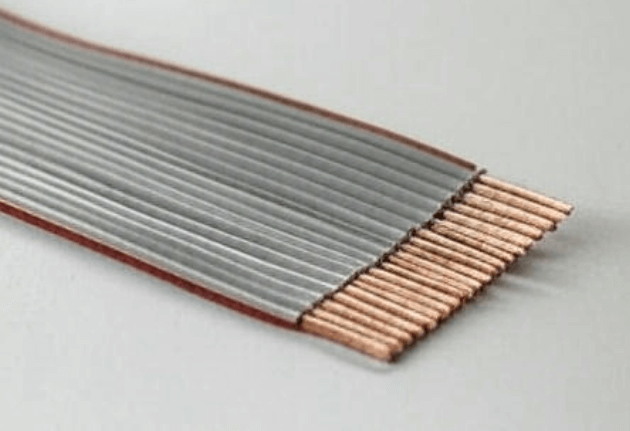
| Choice | What it describes | What to confirm |
|---|---|---|
| Bare copper | Copper without an intentional metal plating layer. | Conductor dimensions, resistance and compatibility with the termination and exposure conditions. |
| Tinned copper | Copper conductors with a tin coating. | The specified plating, conductor construction and suitability for the chosen crimp, IDC or solder process. |
| Silver-plated copper | Copper conductors with a silver coating for particular cable specifications. | Why the finish is required and the performance of the complete cable; plating alone does not establish a high-speed rating. |
| Solid or stranded | A single solid wire or multiple strands forming one conductor. | Wire gauge, strand construction, movement requirements and the contact system allowed by the drawing. |
Plating does not replace the copper conductor specification. Likewise, two wires with the same AWG can have different strand structures and insulation diameters. Those differences matter when matching a crimp contact or IDC termination. Flexible handling during installation is also different from qualification for repeated motion.
Insulation separates conductors; it is not an EMI shield
Insulation provides electrical separation and contributes to the cable's mechanical and environmental behavior. Its dielectric properties and dimensions also affect the electrical construction. It does not replace a conductive shield or a reviewed signal-return layout.
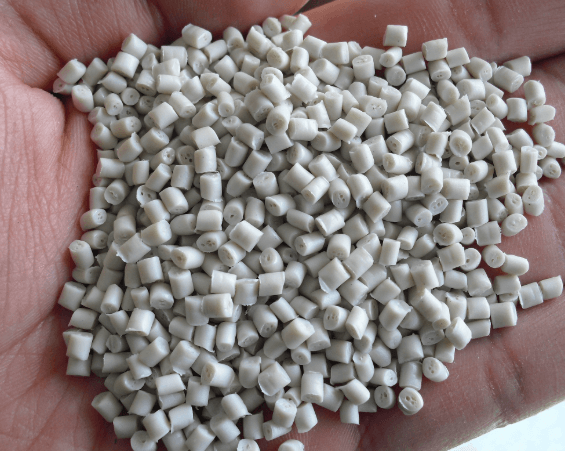
| Material family | Selection considerations | Evidence to request |
|---|---|---|
| PVC | Common in general-purpose ribbon constructions. Formulation affects flexibility, temperature and other properties. | The exact cable specification, rated conditions, dimensions and applicable material requirements. |
| FEP / PTFE | Different fluoropolymer materials, not interchangeable names. Construction and processing affect the final cable. | The actual polymer and cable construction, termination suitability and the required environmental data. |
| Silicone | May be considered where softness or a particular temperature requirement is important. Softness alone does not establish abrasion or repeated-flex life. | Grade-specific properties, protection needs, motion requirements and compatible terminations. |
Do not assign a universal temperature or flame rating to a material family. Cable construction, insulation thickness, conductor finish and the applicable product specification can change the allowable conditions. The connectors and termination materials must also suit the intended environment.
Check the materials against the termination system
For IDC, confirm conductor pitch, wire size, stranding, insulation dimensions and material against the connector's application requirements. An insulation change can affect the termination even if the cable has the same outside width. Use a matched cable/contact system and the specified assembly process.
For individual crimp contacts, confirm conductor and insulation ranges separately. For soldered ends, review wire preparation, soldering conditions and support beyond the joint. See the IDC, crimp and solder comparison for the different connection requirements.
Evaluate the cable in its intended installation
- Movement: identify whether the cable is bent once during assembly or moves repeatedly. Specify routing, bend space and any required cycle validation.
- Electrical load: state current, voltage, length and relevant signal requirements. High-speed behavior depends on the whole interconnect, including geometry, return paths and connectors.
- Environment: identify temperature, fluids, abrasion and exposure duration. A general material description is not evidence for every chemical or installation.
- Protection: distinguish conductor insulation from outer jackets, sleeves and shielding. See the shielding and grounding guide where EMI is a requirement.
- Documentation: identify the exact material, flame or substance-compliance requirements and the product scope they must cover.
A cable material rating is not automatically a rating for the complete assembly. Review the connectors, exposed ends, joints and installation conditions as well. Sampling should include fit and application checks, alongside the agreed assembly inspection.
Prepare the material and assembly requirements together
LDZY builds custom ribbon cable assemblies to the agreed drawing and requirements. Send an existing cable specification where available. If materials are undecided, describe the operating conditions and termination needs so the proposed construction can be reviewed before sampling.
- Conductor count, size, stranding and any required plating.
- Conductor spacing, cable length, insulation and any jacket or shield.
- Connector ends, pinout, split lengths and cable exit directions.
- Operating conditions, routing and movement requirements.
- Sample quantity, production quantity and required documentation.
Use the RFQ checklist to organize these details, then request a drawing-based quotation.
Does silver plating make a ribbon cable suitable for high-speed signals?
Not by itself. The cable geometry, length, dielectric structure, return paths, connectors and actual signal requirements must be assessed together.
Can insulation be changed without changing the connector?
Do not assume so. Confirm the new cable against the connector's wire and insulation requirements, then review the assembly process and acceptance checks.
Technical references: SAB: insulation and sheath material properties; TE: IDC ribbon cable construction. Values for an individual supplier's cable are not general ratings for LDZY assemblies.